Book One • Geometry of Grace

Geometry of Grace

A first-contact space opera about covert war, alien inheritance, and a crew caught in the struggle over something no human power can safely possess.

Sent to extract a scientist from a newly annexed world, Confederate operative Kaid Sidorov expects another deniable mission. Instead, he and his crew uncover evidence of first contact and ignite a covert struggle over what remains of a civilization humanity was never meant to find.

Book 1 stands on its own, but it is also the opening volume of a completed trilogy project.

The Book

Extraction Mission, First Contact, Covert War

Geometry of Grace begins as a deniable retrieval and widens into pursuit, siege, and contact with an intelligence that does not fit human categories. It is space opera driven by consequence as much as spectacle.

About the Novel

When Confederate operative Kaid Sidorov is sent to extract Tavanda Ruun from a newly annexed world, he expects false papers, staged identities, and violence kept just below the level of formal war.

Instead, Ruun leads the crew of the Rebel Ascendant to evidence of first contact: a surviving alien intelligence hidden inside the remains of a civilization that chose torpor over extinction. What they bring back is not a weapon, not a relic, and not something the war can survive unchanged.

As Federation pursuit closes in and safe harbors collapse, the crew must protect something the war is not capable of treating with restraint.

Chapter image for Clonmel
What Kind of Novel This Is

Adult space opera with political fracture, covert operations, first contact, and a crew held together by competence, obligation, and strain.

What Sets It Apart

First contact is treated not as a prize to win, but as a problem of language, faith, strategy, and the human habit of turning every revelation into a tool.

Series Note

Book 1 works as a full novel on its own while opening onto a larger completed trilogy.

Characters

The Crew of the Rebel Ascendant

These notes are brief and spoiler-safe. They are meant as orientation, not explanation.

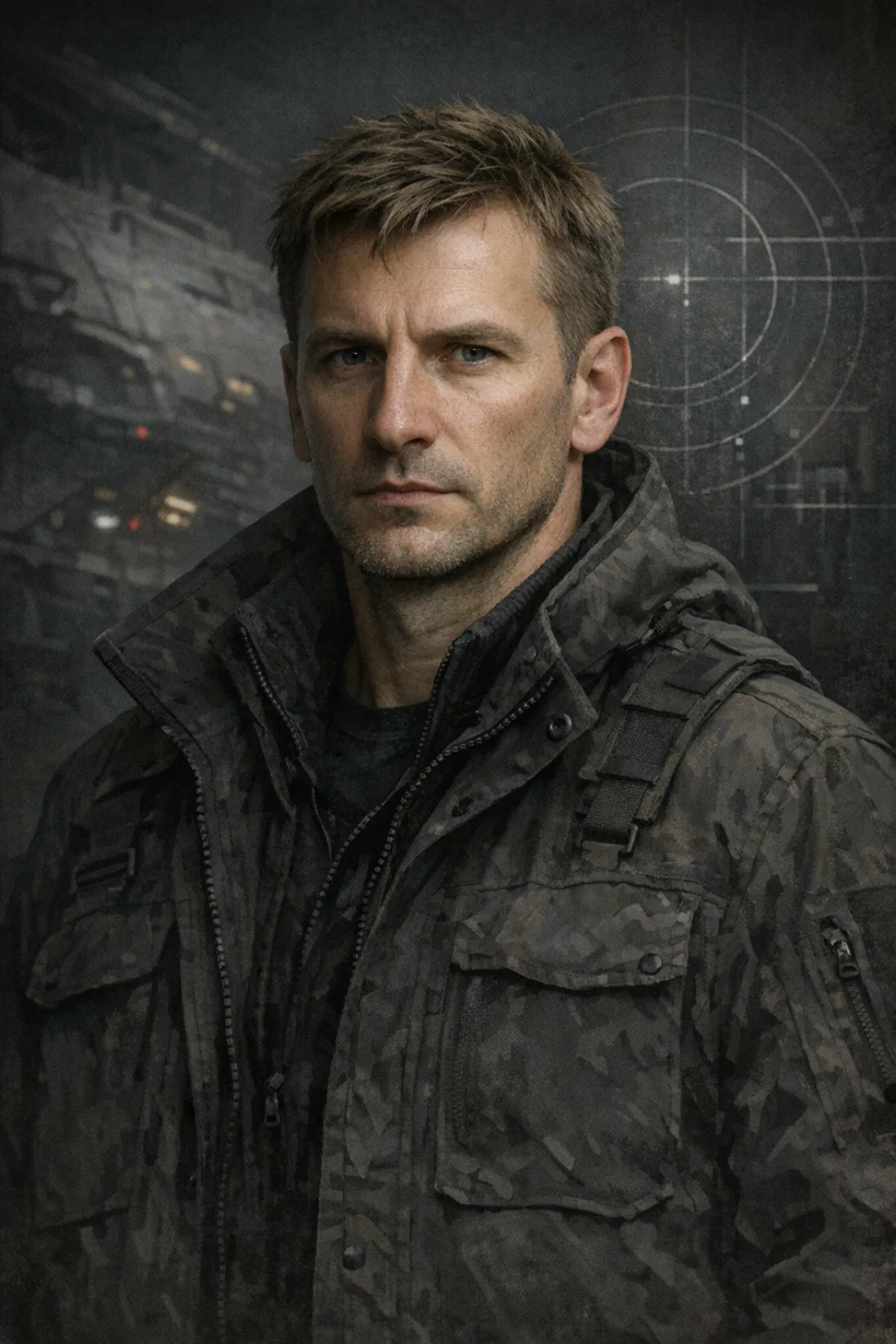
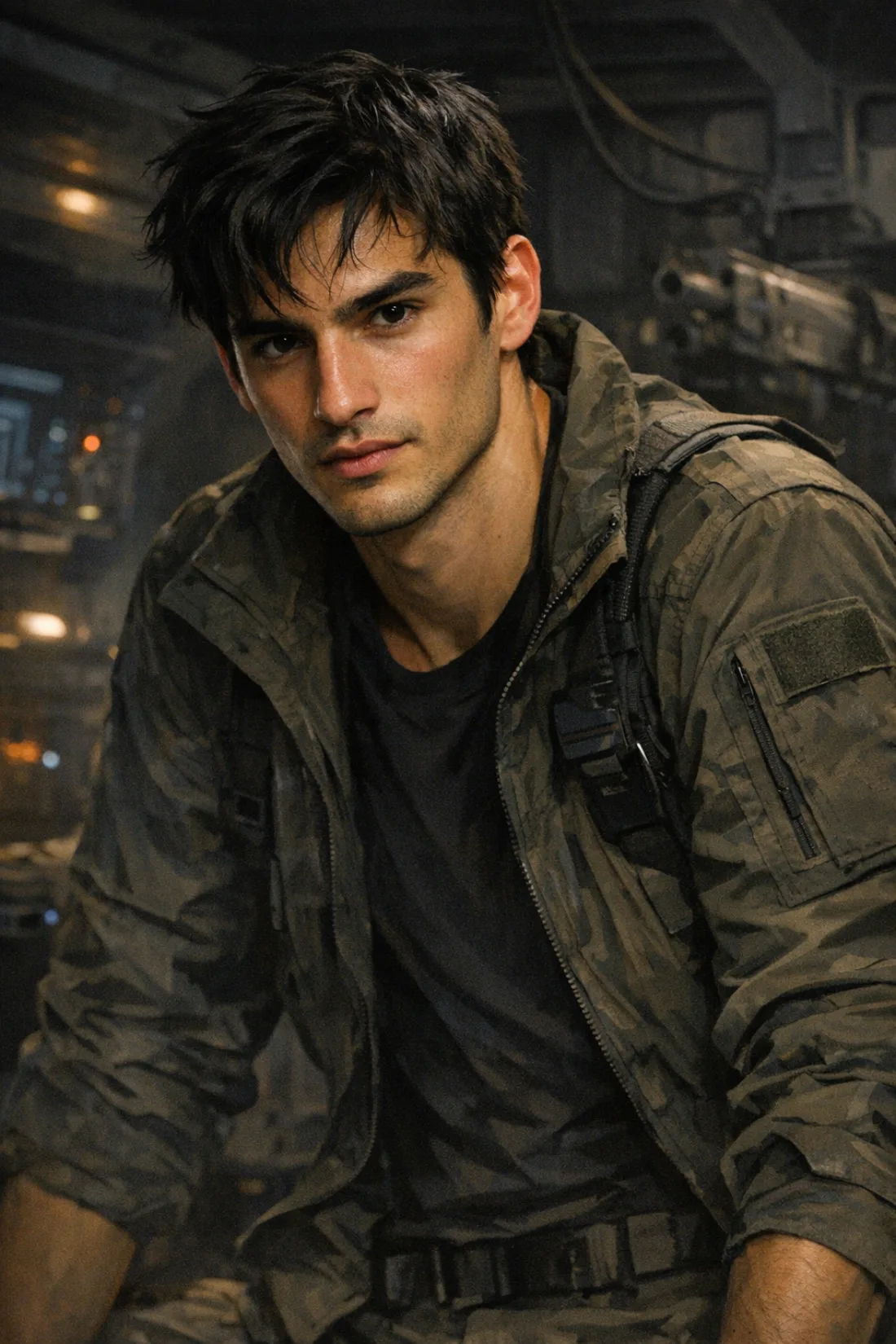
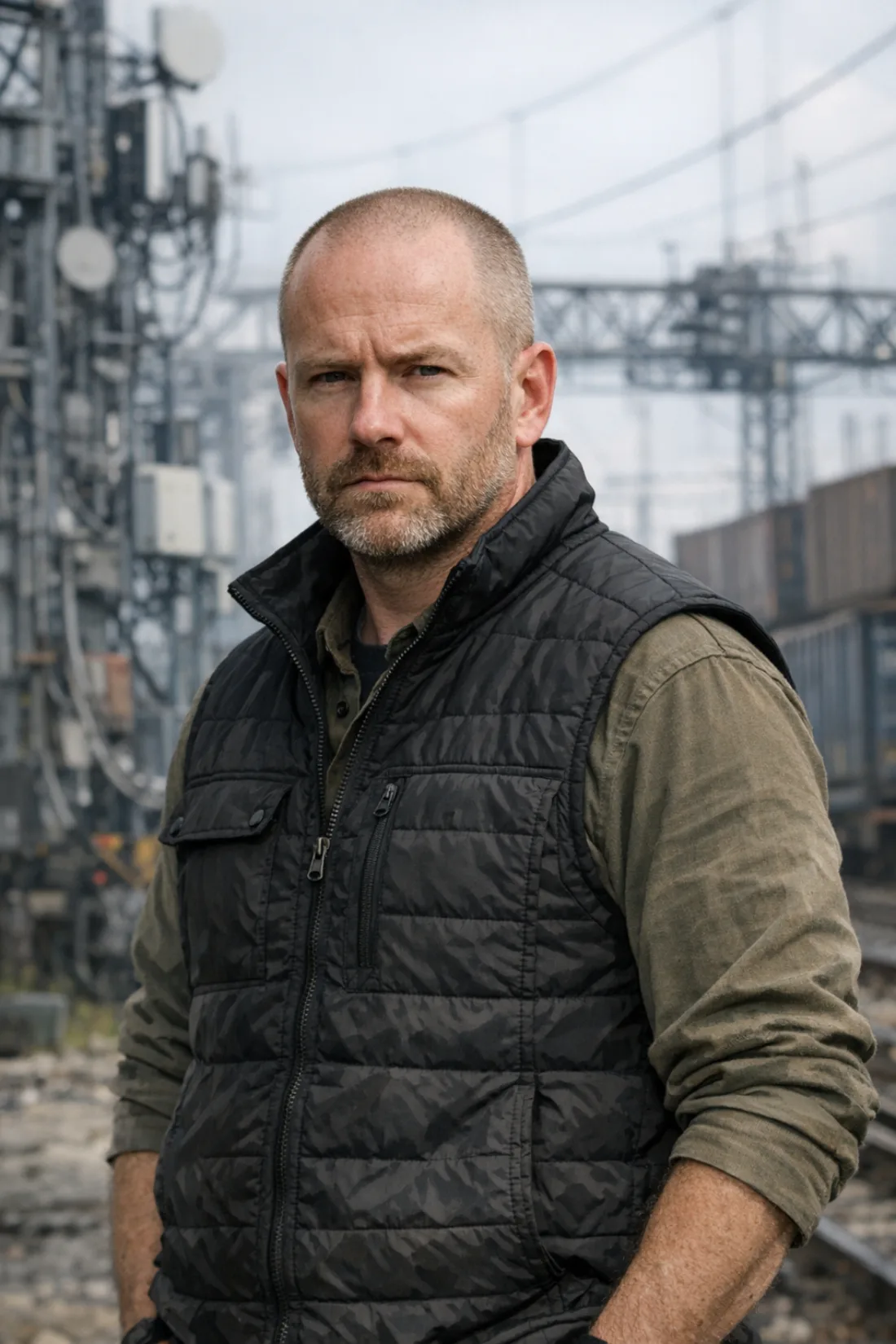
Kaid Sidorov portrait

Kaid Sidorov

Confederate operative and field commander

Kaid is a Confederate field operator used to retrievals, deniable violence, and decisions made too quickly to feel clean. He is disciplined, dangerous, and hard to surprise, which is exactly why first contact hits him so hard.

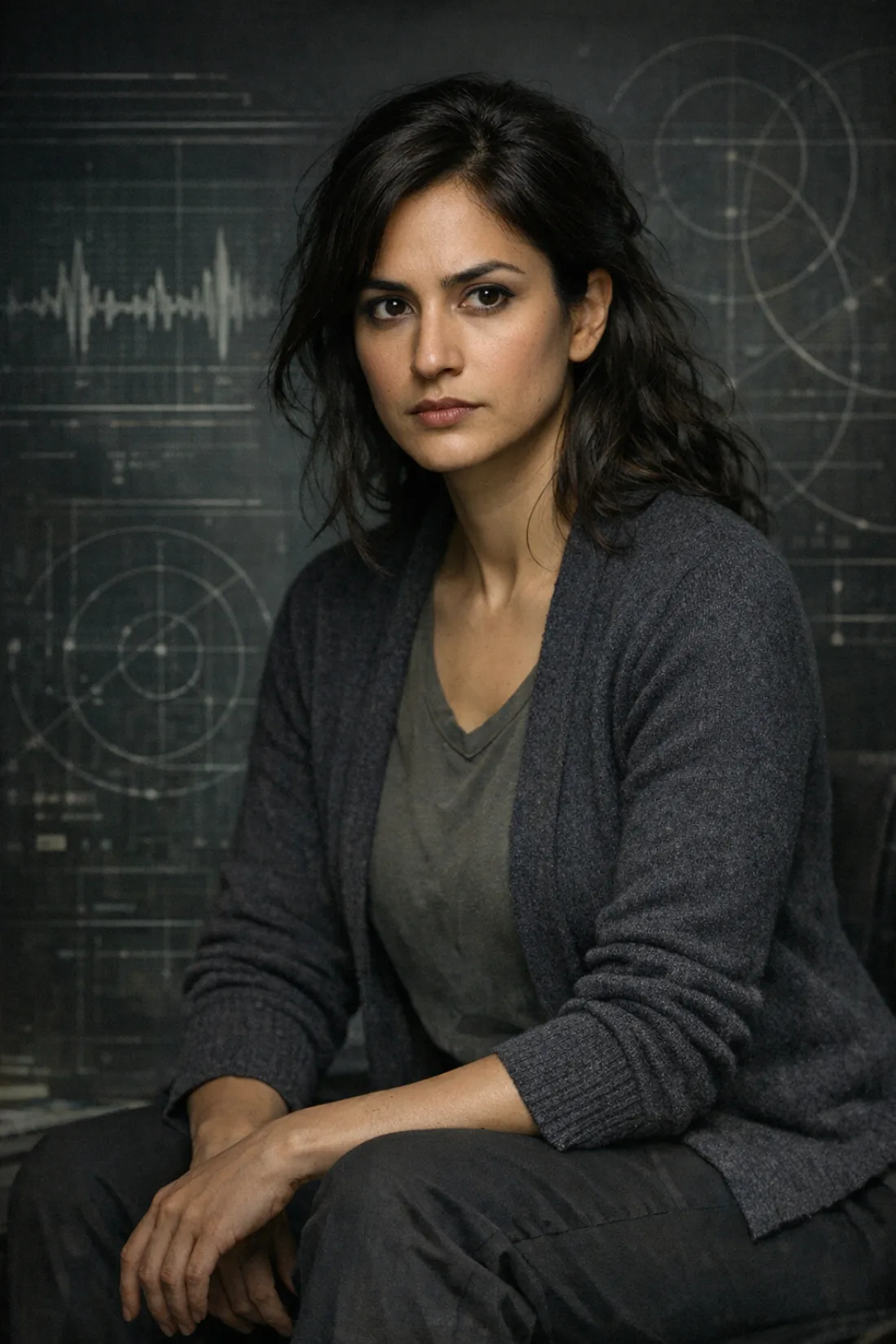
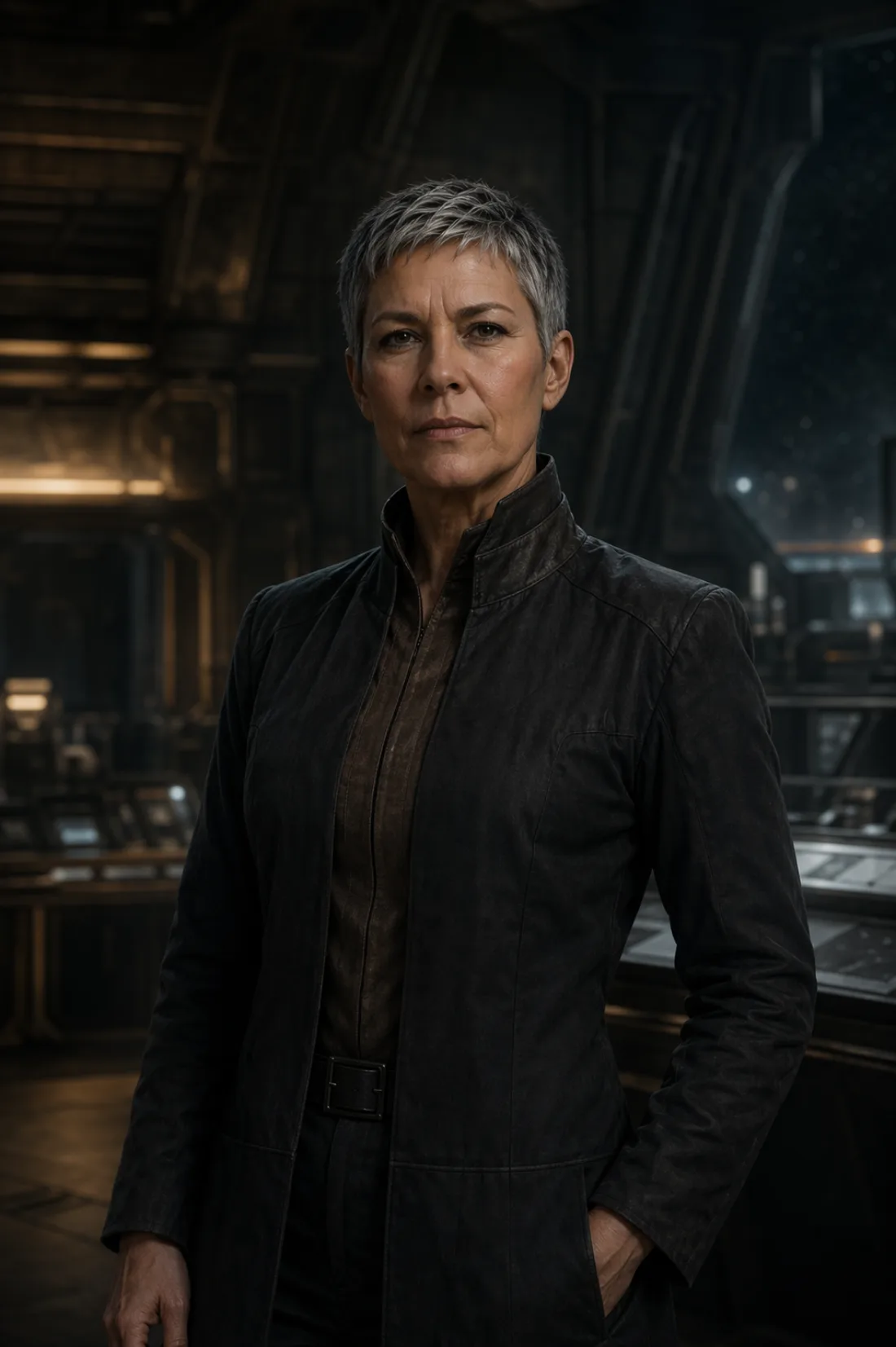
Tavanda Ruun portrait

Tavanda Ruun

Scientist, analyst, and first-contact witness

Ruun is one of the first people aboard the ship to understand that what the crew has found cannot be filed under strategy, salvage, or intelligence. She is perceptive, rigorous, and difficult to intimidate into false certainty.

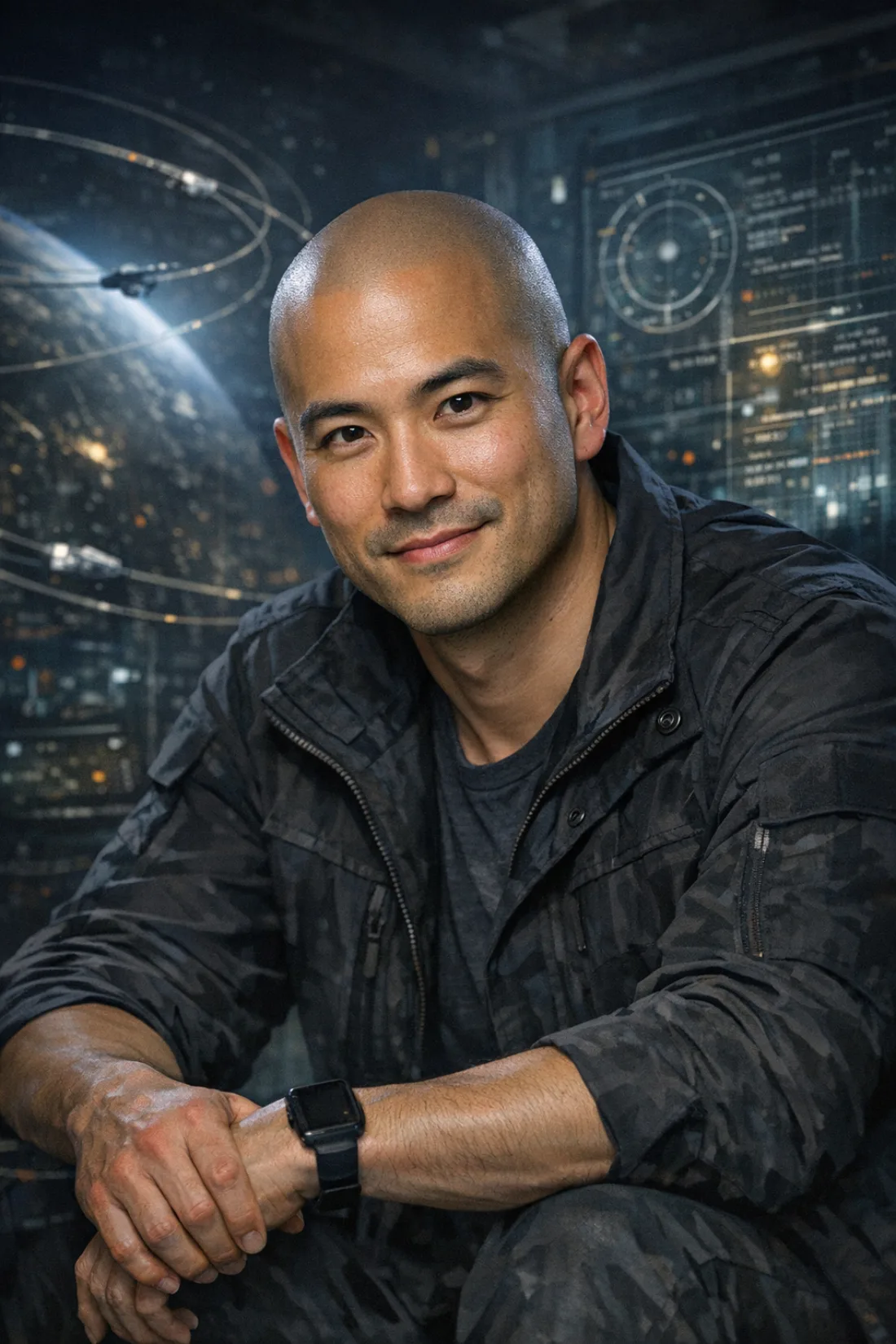
Sam Rothrock portrait

Sam Rothrock

Confederate signals analyst

Sam is a self-taught Confederate signals analyst from Agartha, a forgotten and highly defensible hollow world. He brings patience, pattern-reading discipline, and the steadiness that helps the crew understand what is happening before it kills them.

Nadira Izmaylova portrait

Nadira Izmaylova

Technical backbone of the crew

Nadira is the person working six problems at once so everyone else stays alive. Fast, exacting, and habitually overcommitted, she solves emergencies by quietly sacrificing any life not organized around work.

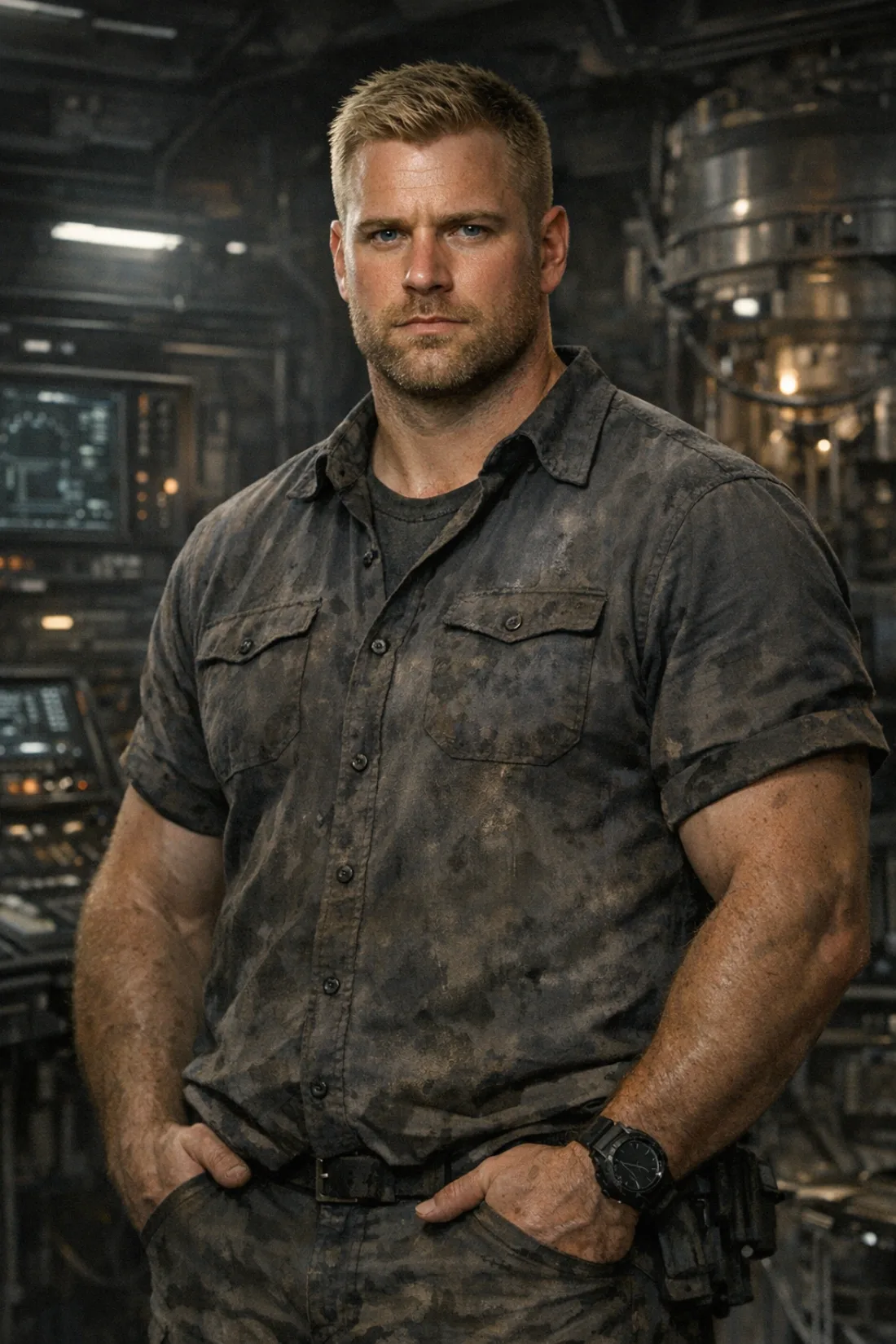
Alex portrait

Alex Dakota-Kinsworth

Engineer of the Rebel Ascendant and primary pilot

Alex is the man most capable of forcing one more miracle out of the Ascendant because he knows her better than anyone. He has a dry sense of humor, a pilot's instinct for failure, and just enough superstition to take crew betting on which system breaks next personally.

Goblin portrait

Goblin

Youngest member of the crew

Goblin is still learning his place in a dangerous world under the guidance of an older crew that has already paid for its competence. He is naturally gifted, especially when the problem turns physical, but raw talent is not enough to carry everything the world will ask of him.

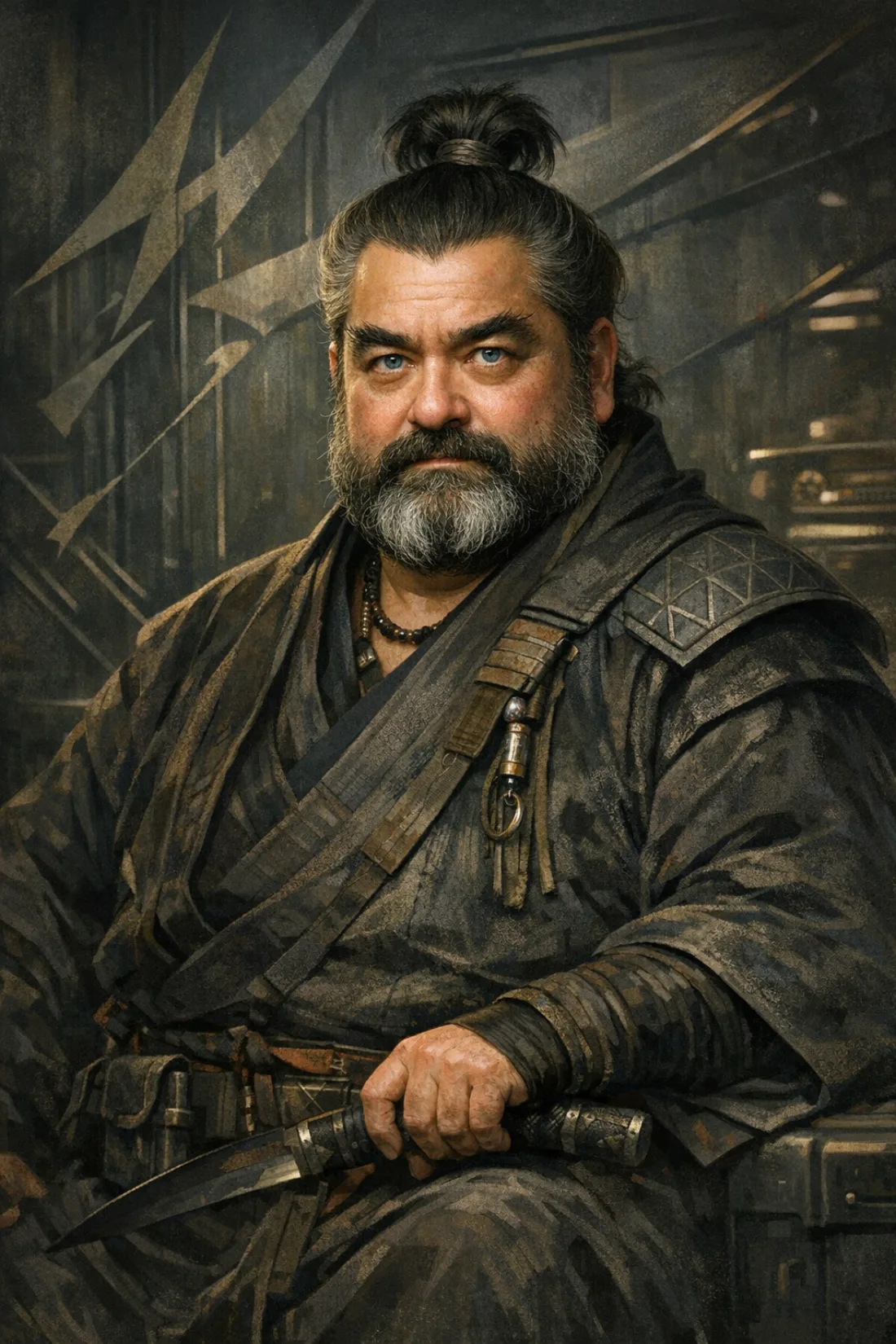
Nobu portrait

Nobu

Assassin and close-quarters operator

Nobu has spent most of his life in violence. To escape chaos, he adopts borrowed forms to give himself structure, finding philosophy in gematria, astrology, the I Ching, and historical warfare as if pattern itself might keep a human being intact.

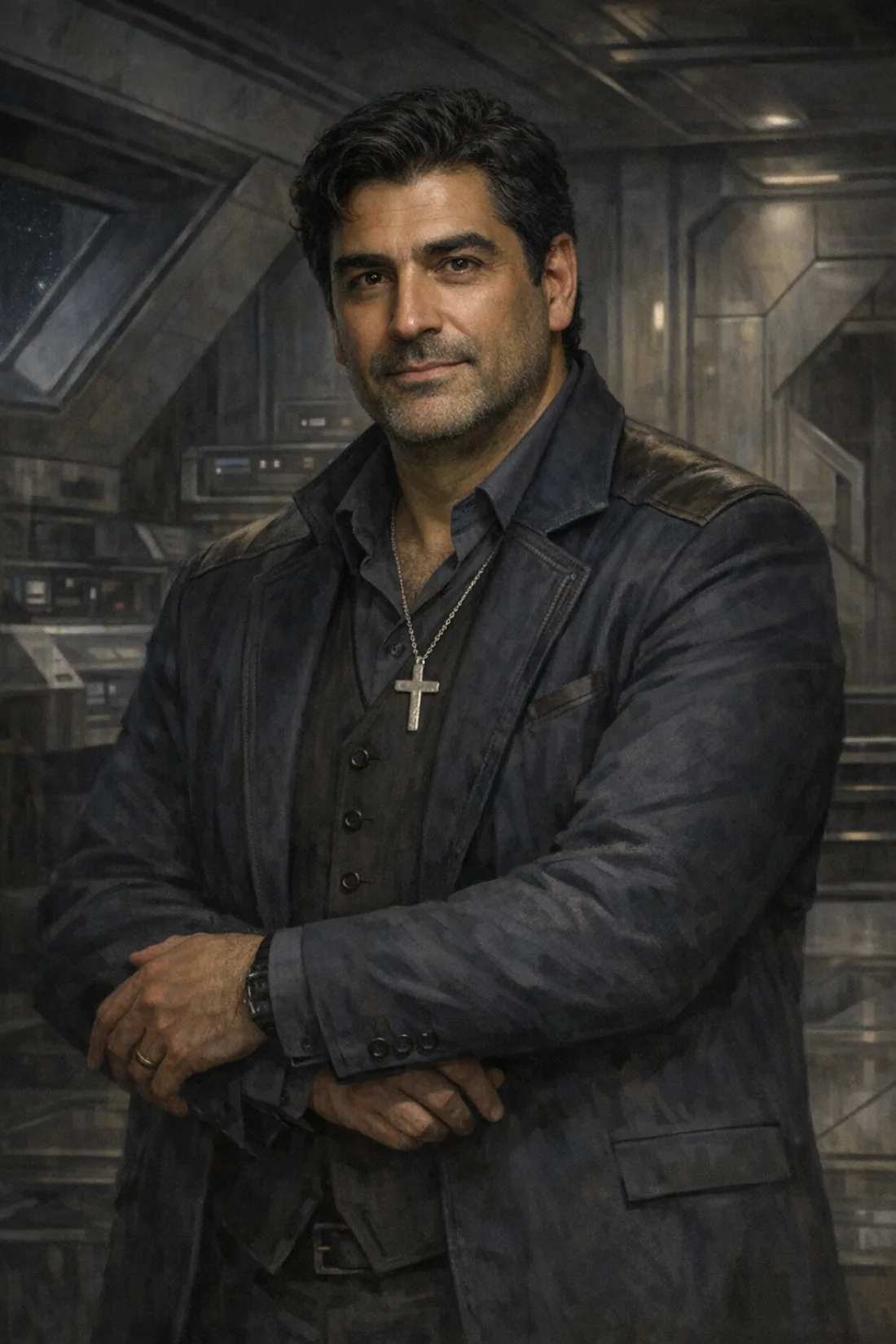
Pepper portrait

Pepper

Former attorney and political operator

Pepper abandoned law to serve in the Confederacy. He brings a quiet religious discipline, a lawyer's ear for weakness, and a rare talent for making administrative servants feel like paperwork in their own system.

Elesylis portrait

Elesylis

Alien emissary in partial form

Elesylis is a remnant of a surviving alien intelligence in torpor, chosen to serve as emissary between her civilization and humanity. She exists in our spatial frame as a partial-form construct, built to learn the human condition and interact with our species.

Supporting Figures

World Beyond the Ship

These figures widen the book beyond the crew itself without turning the site into a cast encyclopedia.

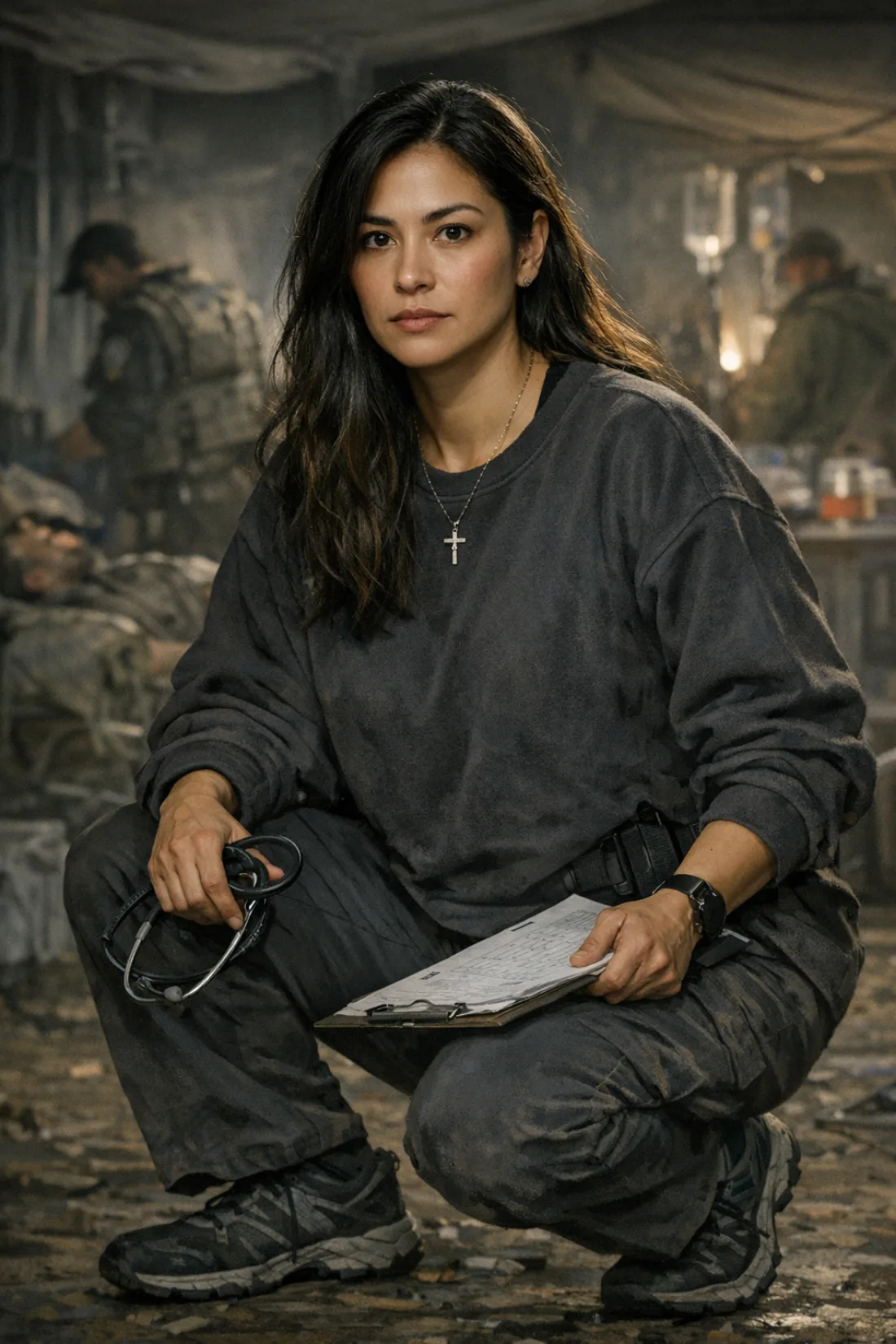
Joyce Soriano portrait

Joyce Soriano

New Thessalia response coordinator and medic

Joyce is one of the local figures keeping New Thessalia functional. She coordinates response, handles medical triage, and gives the local resistance some of its practical backbone.

Chris Ryan portrait

Chris Ryan

Researcher and former collaborator of Tavanda Ruun

Chris Ryan is a former colleague of Ruun. The two split over theoretical orientation, and he still dismisses her later work as “Ruin-theory,” but their history remains intellectually and personally unresolved.

Mira portrait

Mira Hoxa

Commander of Agartha

Mira runs Agartha without romanticizing refuge. She reads tactical reality quickly, holds the line when it matters, and gives the station its character as a place of exile, endurance, and earned shelter.

World and Technology

An Interstellar Future With Friction

This is an interstellar future with repair debt, regional loyalties, inherited political structures, and hard logistical limits. Distance still matters. Information still arrives late. Power still depends on infrastructure.

Political Landscape

Human colonization has continued for generations, producing dozens if not hundreds of inhabited worlds with their own origin stories, local cultures, and political identities. The largest polity is the Federation, centered on Earth and built around ordered, centralized power. Many worlds remain sovereign, and some align through the Confederacy, a military compact much closer to the side of the war this crew actually inhabits.

Transit, War, and Scale

Faster-than-light travel exists through the Unity drive, which allows ships and relay buoys to move through hyperdimensional space. But realspace information still moves at the speed of light. Communication depends on relay-buoy circuits, routing, delay, and physical infrastructure, so command decisions are constantly being made on different clocks with different information.

Weapons and Logistics

Flechette weaponry is common because carbon-fiber alloy shards are cheap to produce, easy to ship, and practical at scale, while traditional gunpowder creates additional logistics problems once everything has to cross space. On rural or less industrial worlds, compressed-gas and air weapons still make sense for the same reason: logistics never stopped mattering.

The Alien Question

First contact here is not merely a technology gap or a military opportunity. It unsettles human categories themselves: political, strategic, religious, and moral. What makes the alien presence so dangerous is not only its scale, but how quickly human power tries to turn it into advantage.

Common Terms
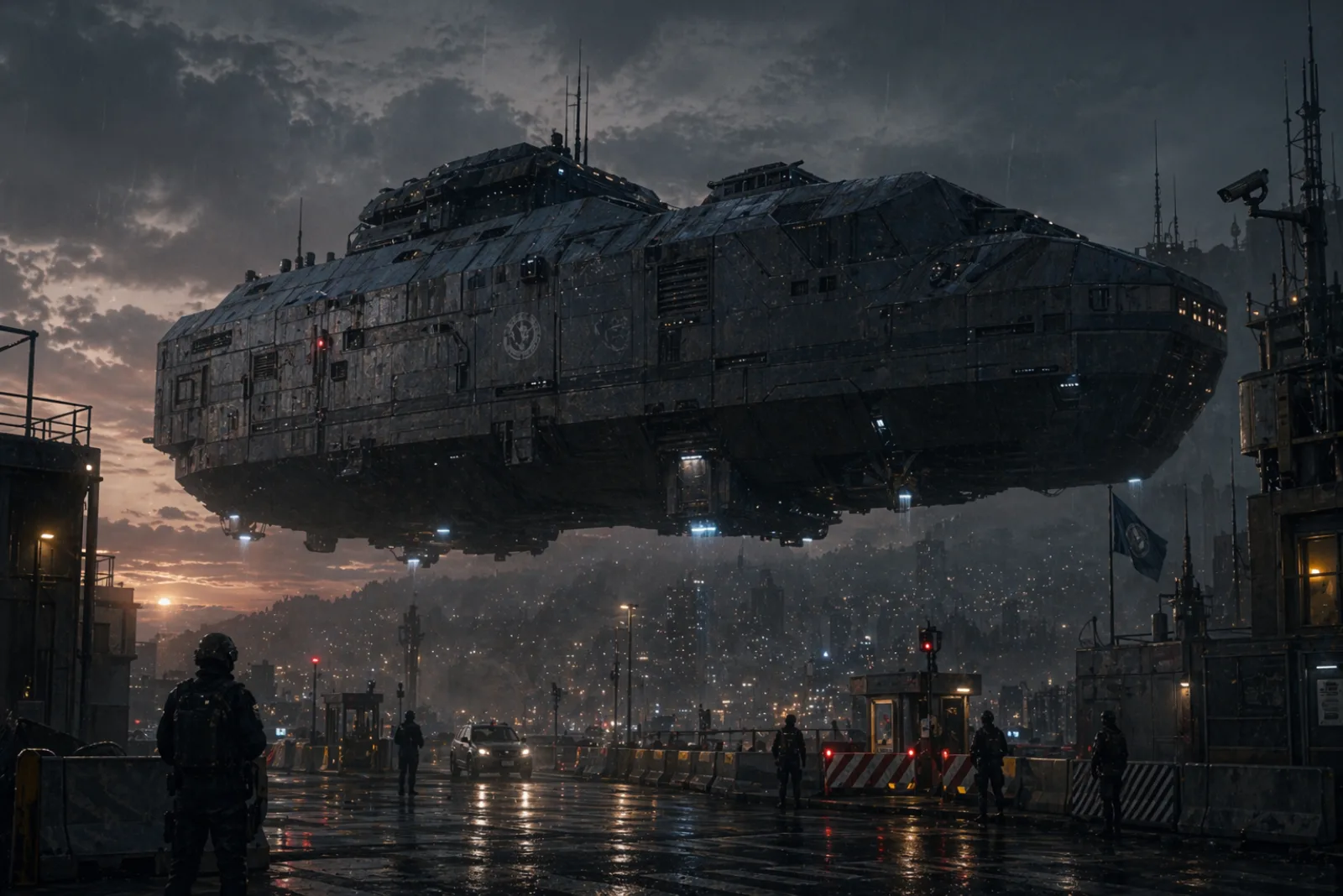
Chapter image showing the broader political world
Federation The largest centralized human polity, organized around Earth and the projection of ordered power.
Confederacy A military compact of aligned worlds, closer to how the protagonists actually live and operate.
Unity Drive The FTL system that allows ships and relay infrastructure to transit hyperdimensional space.
Relay-Buoy Circuit The physical message-routing network that makes long-distance communication possible, but never instantaneous.
Anchorages Operational ports, staging sites, and practical strongholds rather than glamorous hubs of empire.
Covert Retrieval A mission profile built around extraction, deniability, false papers, and the threat of violence staying just short of open war.

Read a Sample

Opening Pages From Chapter One

An early-book excerpt from “Clonmel,” where the crew of the Rebel Ascendant prepares to enter a newly annexed world under false identities.

Chapter image for the Clonmel sample section

Continue to the Book

Retail and direct-purchase links can drop here once launch routing is set.

Chapter 1: Clonmel

Captain Kaid Sidorov stood on the bridge of the CSS Rebel Ascendant with the decrypted packet burning on the command glass.

"Clonmel," he said. "Archer wants us off the old route."

That pulled eyes up around the bridge. A voice from the rear answered first. "What, you don't want to spend a week in Earth's newest playpen for managed decline?"

Kaid ignored that. "Says the window's now."

Nadira glanced up from her station. "Looks like we still need the Zephyr package after all."

Nadira had the disguise case up on the console before anybody else started moving. Nobody commented on that either. Alex always staged the ugly work nearest her station, and she always pretended not to notice.

New coordinates rolled through the helm. The Ascendant answered with the familiar flicker through the deck as navigation shifted under Unity, a brief change in pressure and alignment that Kaid felt more than saw. Expected. Clean. The ship taking a new hand on the wheel.

The Rebel Ascendant had always been built to lie for a living. At Zephyr they had pushed that talent further. From a distance she now read as a cheap NGO corvette transport, her paint re-entry peeled, her weapon ports buried under battered skin. Inside, the lie held too: dimmed lighting, scarred panels, interfaces made to look secondhand and overworked. She was not a line warship. She was forgettable, overused, and easier to wave past than inspect.

Kaid left the message up a moment longer. Archer had not used the buoy tree, the usual relay chain. He had burned a high-speed courier drone to catch the Ascendant between assignments, fast enough to intercept them before the next route locked in. Even encrypted, traffic that moved that way stood out.

That was what bothered him. The precision of the interruption.

"They moved on the planet this week," Kaid said. "We get in before the new systems settle."

"So they're still playing catch-up? Good," Nadira said.

Nadira applied a sheen polymer mask to her own face. "Expect some itching."

Kaid watched the disguise crawl over her features. Her cheekbones softened. Her jaw rounded.

Nobu watched his own altered reflection in a dark panel and bared his teeth at it. "If their intake stack's settled already, the cover story won't even get a turn."

"You say that like notoriety isn't flattering," Pepper said.

"It would be if the file photo were better."

Nadira cracked a smile.

"Easy drop, guys. Come on," Goblin muttered, and Nobu barked a laugh.

Pepper was always quietest in the minute before things got stupid. Kaid had learned to trust that as much as any briefing.

Pepper stood a little apart from the joking, one big hand resting near the silver cross that normally hung at his throat. His thumb rubbed once across the metal before he tucked it beneath his shirt and let the chain disappear under the collar. "If this turns into questions, I'll handle it."

The prep cycle finished. Nadira checked the final readouts. Alex's voice came over comms from deeper in the ship as he pushed the synthetic DNA overlay through the relay chain and into each of their temporary identities.

"Genome mask is live. If somebody samples you, give me half a second and don't panic."

"That your formal engineering guidance?" Nadira asked.

"That's the gentle version."

Kaid heard the exchange and, beneath it, the older rhythm under the words: Nadira prodding, Alex pretending irritation, both of them already halfway through the same calculation.

The Rebel Ascendant dropped through Clonmel's atmosphere and settled at the main processing hub of Fidelis with a muted, unremarkable thud. The cargo port yawned open. Security lights washed the landing pad in white glare. Vapor poured off nearby shuttles. Patrol teams in local armor moved people through the starport like insects. Datapads flashed. Drones skimmed overhead. Voices echoed between scaffolds and temporary barriers.

They had arrived as part of an asylum caravan. Ugly, crowded, and easy to vanish inside.

Alex stayed aboard, throwing them a brief gesture to confirm comms before fading back into the ship's interior.

The team moved with the refugee flow.

Initial registration passed without friction. Their counterfeit identities held. The first tent line spat them out into the wider transport commons, where new arrivals jostled with locals. It was easy to see who came for Federation promises and who was trying to buy their way off-world before a new reality hardened around them.

"Still dirty," Kaid said.

"No," Alex murmured over the channel, taking in something else altogether. "Used to come here with my folks. Those native trees have roots dozens of meters deep. Whole little worlds under them. They're tearing all of it out."

Kaid looked past the crowd at the line of forest beyond the built edge of the city, then at the fresh cuts, the scaffolded feed lines, the machinery chewing at ancient green things.

"Focus, Alex."

"Right."

Ahead, the last real checkpoint narrowed the crowd into a single controlled throat: mobile scanners, armed officers, too much light, too much waiting.

"Real smooth hand-off," Nobu muttered.

A drone dipped low over the line and its rotor wash tugged at their ponchos. Some of the refugees flinched away from it, opening a pocket of empty space around Kaid's team. The drone paused there, as if the sudden geometry itself had made them visible.

Kaid felt sweat run once, cold and straight, down his back.

Nobu moved first. He rammed his shoulder into a nearby civilian with just enough force to start an argument three bodies wide. The drone slid toward the disturbance.

"Sorry, first time seeking asylum," Nobu said to no one who believed him.

Then Goblin stiffened, his hand snapping to his throat. "Mask lattice is glitching," he whispered, and his voice lurched with it. His borrowed face began to crawl out of calibration.

"Stall it," Kaid said. "We can't stop here."

Goblin caught himself on Kaid's shoulder and folded inward with ugly, convincing misery. "Can't breathe," he rasped.

"Medical condition," Kaid said to the nearest watcher, already guiding Goblin forward. "Asthma. Head meds too."

People recoiled and let them through with muttered irritation and visible distaste. It got them to the checkpoint officer.

"Documentation."

Pepper stepped between the officer and the rest of the crew, broad enough to change the conversation simply from his size. He touched where his cross sat under the fabric of his shirt, then slipped into the voice of someone who had spent too long arguing with minor authorities for a living.

"Officer, I assure you we're in full compliance. If this needs to be noted as a medical accommodation before processing, we'd be grateful."

The officer looked at him, then at Goblin, then back at Pepper with a faint narrowing in his eyes.

"He's having trouble breathing. If you need to flag it, flag it. We'd just rather not do this in the middle of your line."

Behind Pepper, Nobu worked at Goblin's collar and neck seal.

Goblin's face spasmed. His vocal cords broke through a series of noises so grotesque the officer's entire attention narrowed to him.

"Submit for a genetic read," the officer said at last.

Goblin extended his arm and the Fed reader bit into the sample.

The screen cycled once. Twice.

The officer looked at the reader, then at Goblin, then at Kaid, and this time he kept looking.

Kaid saw the break the way he always did, already running it forward: first shot center mass, flechettes opening through the officer's chest before the man could finish turning his head. Then the tech behind the partition, if there was one. Then the line breaking wide on fear and disgust while the drones corrected and the port hardened around them. Goblin shoved forward, Pepper behind him, Nadira moving only when he said move. Kaid stepping the wrong way on purpose, showing the shooters where the problem was so the others could vanish into the first cover they found.

If it broke here, he was probably staying behind. He held the officer's gaze and gave him nothing.

The reader kicked back a yellow-band result:
PROVISIONAL MATCH
MEDICAL EXCEPTION
INTAKE REVIEW DEFERRED

The officer's mouth tightened.

Pepper saw it too. "That's what I was trying to tell you."

"You said asylum?" he asked.

"That's right," Kaid said.

The officer's gaze stayed on him a moment longer, flat and administrative in a way that felt worse than hostility. Then his eyes dropped back to the reader.

"Clear," the officer grunted. "Report to medical once you're settled."

Goblin gave him an apologetic nod so elaborate it nearly tipped into mockery.

The officer caught Nadira's wrist as she moved to follow.

"You too."

For one instant, Kaid felt the operation slide sideways.

Nadira gave him a baffled little smile that bordered on insult. "Officer, if I've got what he has, I'd rather die surprised."

The officer let her go with visible distaste and waved them by.

Author Q&A

First Contact, Institutions, and What We Choose to Carry

A short author note for readers, reviewers, and anyone wondering where the book sits between space opera, first contact, and moral pressure.

What is Geometry of Grace?

Geometry of Grace is an adult first-contact space opera about a covert extraction mission that turns into a struggle over the remains of an alien civilization. It follows a small crew carrying something they cannot use, weaponize, or fully understand through a war that wants to turn it into leverage.

What drew you to first contact?

I am less interested in first contact as spectacle than as pressure. The question that interested me was not only “what if we found something alien?” It was “what would human institutions try to do with it, and what would it cost a few people to refuse?”

How does your background connect to the book?

I work in clinical research and biotechnology, so I spend time around systems built to handle fragile, consequential human realities through protocols, evidence, risk, and responsibility. The book is not about that work directly, but it is deeply interested in what institutions can and cannot recognize as a person.

Why the title?

The title points to the shape mercy takes under pressure. In the book, grace is not soft or abstract. It is restraint, protection, refusal, and sacrifice: the pattern made by people choosing not to become what the war rewards.

What kind of science fiction is this?

It is space opera with first-contact, covert-war, and political-pressure elements. It has action, but the center of gravity is moral and relational: an ensemble crew trying to preserve something sacred in a world that keeps asking whether everything valuable can be converted into advantage.

Standalone or series?

It is the first book in a trilogy project. Book 1 is built to work as a full novel on its own, but the larger arc continues through Books 2 and 3, which already exist in rough draft.

Who is the book for?

It is for readers who like serious science fiction, ensemble crews, first contact, political pressure, and stories where the alien remains morally and intellectually strange. If you like space opera with emotional weight rather than only fleet spectacle, this is probably closer to your lane.

What do you hope readers take from it?

I hope they feel the crew first: the competence, humor, grief, and pressure of people trying to carry something larger than themselves. After that, I hope the book leaves them with the central question: when something sacred enters a world built to use things, what does protection actually require?